Understanding the Essence of Home The Spruce Decor
At Home The Spruce, the mission is to empower homeowners with the knowledge they need to create their perfect living spaces. Whether it’s about selecting the right decor or understanding the latest trends in interior design, this platform provides comprehensive insights tailored for every style and preference. When exploring options, Home The Spruce serves as a trusted guide, offering practical tips and innovative ideas that make the journey of home improvement not just achievable, but enjoyable.
What Defines Home The Spruce Style?
Home The Spruce style emphasizes a harmonious blend of functionality and aesthetic appeal. This approach results in spaces that are not only beautiful but also serve practical purposes. Whether your taste leans towards modern minimalism or warm rustic charm, Home The Spruce encourages personalization, ensuring every corner of your home reflects your unique personality. This philosophy fosters an environment where comfort reigns supreme without sacrificing style.
Key Elements of Cozy Interiors
- Warm Lighting: Utilize soft, ambient lighting to create inviting spaces.
- Textiles: Incorporate various fabrics, such as plush pillows, soft throws, and rugs, to add warmth.
- Natural Elements: Use wood, plants, and stone to bring the outside in.
- Personal Touches: Display photographs and art that resonate with memories and emotions.
The Role of Color and Texture in Home Design
Color and texture play pivotal roles in setting the mood of any space. Neutral palettes often create a serene environment, whereas bold colors can energize a room. Texture adds depth; mix smooth with rough surfaces to create visual interest. Home The Spruce highlights the importance of experimenting with these elements to encapsulate the essence of your home's personality while ensuring comfort and style coalesce in every design choice.
Essential Tips for Choosing Sofa Tables
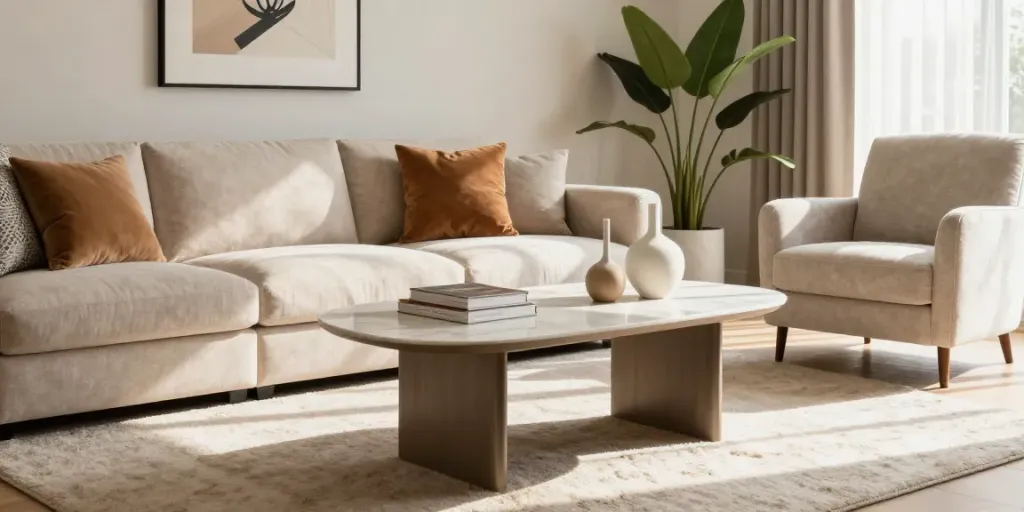
Choosing the right sofa table provides not only functionality but also enhances the overall design of your living space. Begin your selection process by considering your home’s style, the table’s intended use, and how it fits within your existing decor.
What to Look for in a Quality Sofa Table?
A quality sofa table should balance aesthetics with practicality. Pay attention to materials, as hardwood or metal frames provide durability, while glass surfaces can lend an airy feel. Ensure the table’s height complements your sofa, typically between 30” to 36” tall, to maintain visual continuity. Look for additional features like drawers or shelves that enhance storage without cluttering your space.
Design Styles That Complement Your Decor
Your sofa table should be a natural extension of your interior design. For modern homes, sleek lines and minimalistic designs work best, while traditional spaces may benefit from ornate, wooden pieces. Consider industrial-style tables in spaces with raw materials, or choose vintage options to add character. Ultimately, your selection should enhance your existing decor rather than detract from it.
Functionality vs. Aesthetics: Finding Balance
When selecting a sofa table, it’s essential to consider both functionality and aesthetics. A table with good storage options can keep your living space organized without compromising style. Aim for a piece that not only serves its purpose but also becomes an eye-catching focal point in the room, striking a balance between utility and charm.
Smart Improvements That Elevate Home Value
Investing in your home can yield substantial returns, especially when smart improvements are made. Understanding which renovations add value can maximize your investment while enhancing your living experience.
Home Renovations That Pay Off
Kitchen and bathroom remodels are often recognized as top investments that yield high returns. Updating fixtures, refreshing cabinetry, and installing modern appliances can significantly increase appeal. Consider also enhancing curb appeal through landscaping and exterior improvements, creating an inviting first impression that can entice potential buyers.
How to Improve Energy Efficiency?
Incorporating energy-efficient upgrades not only saves on utility bills but also enhances home value. Replacing old windows with double-glazed options, installing energy-efficient appliances, and adding insulation are effective strategies. Additionally, consider installing solar panels, which have become increasingly popular and add long-term value.
Creating Functional Spaces to Attract Buyers
Future homebuyers are often looking for adaptable spaces that fit their needs. Open floor plans enhance flow, while multi-functional rooms can serve various purposes over time. Consider implementing built-in storage solutions that maximize space efficiency, demonstrating a thoughtful approach to home design.
Maximizing Small Spaces with Space-Saving Furniture
In smaller homes or apartments, every square inch counts. Choosing the right furniture can dramatically improve functionality and comfort without compromising style or design. Here are some strategies to consider.
Best Furniture Choices for Compact Living?
Opt for multi-functional furniture pieces, like a sofa bed or an ottoman with storage, to maximize utility. Lightweight, modular furniture can offer flexibility in arrangement, while using vertical space with shelves helps to keep areas open and uncluttered.
Innovative Storage Solutions for Small Areas
- Under-Bed Storage: Utilize bins or drawers that can fit under your bed for seasonal items.
- Wall-Mounted Solutions: Floating shelves or hooks can free up floor space.
- Furniture with Hidden Storage: Tables or couches with compartments help keep essential items tucked away.
Practical Tips for Arrangement and Design
Arrange furniture to create a clear flow of movement through the space. Use area rugs to define zones within an open area and make use of mirrors to create an illusion of depth. Layered lighting—from ambient to task—adds dimension and functionality, ensuring the space feels both cozy and spacious.
Future Trends in Interior Decoration for 2026
As we look ahead, certain trends are emerging that will define the future of home decor. Keeping an eye on these can ensure your home remains stylish and modern.
Emerging Styles and Designs to Watch
2026 is set to see a rise in organic and biophilic designs, emphasizing natural elements and sustainable materials that promote a connection to the environment. Expect to see more indoor greenery, natural light, and earthy tones making their way into home interiors.
Eco-Friendly Materials and Practices
The push for sustainability in home design is more significant than ever. Look for eco-friendly paints, recycled materials, and furniture crafted from reclaimed wood. These choices not only reduce your carbon footprint but also create a unique character within your home.
Technology's Role in the Future of Home Decor
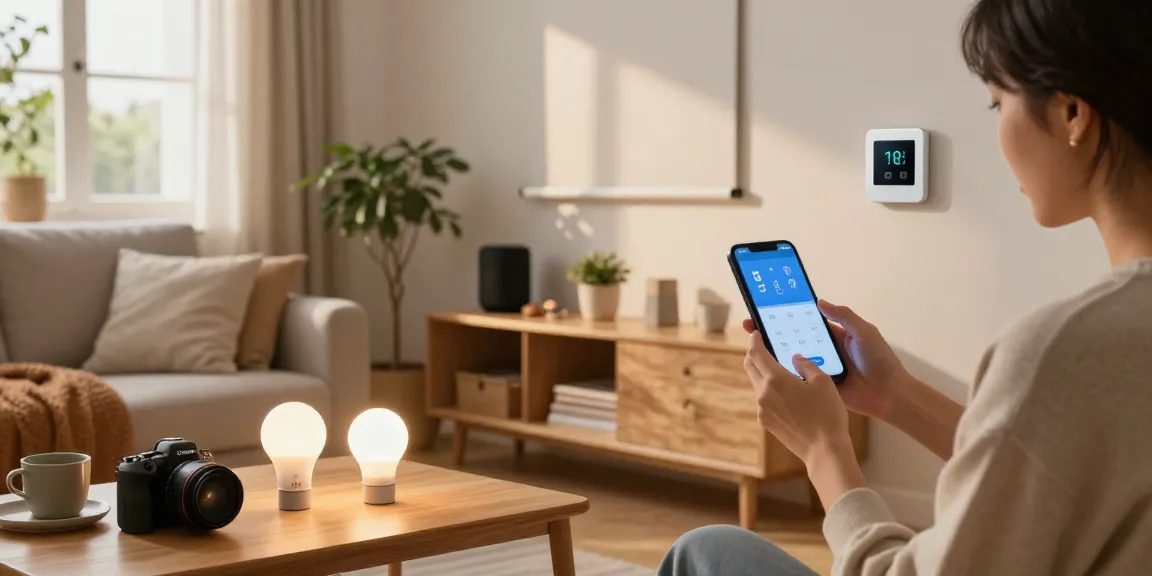
Smart homes are becoming the norm rather than the exception. From intelligent lighting systems to smart appliances, technology enhances functionality and convenience. As advancements continue, expect technology to play a larger role in home decor, helping streamline daily tasks while contributing to a cohesive design.
Is Home The Spruce a Reliable Source for Decor Tips?
Home The Spruce has established itself as a trusted name in home improvement and decor advice, providing well-researched content that resonates with its audience. With a plethora of articles covering various aspects of home design, readers can trust that they are getting valuable insights and practical guidance.
What Are the Best Practices for Home Staging?
Home staging is a crucial step in attracting potential buyers. Keep spaces decluttered and neutral to appeal to a broad audience. Highlight key features of the home, utilize strategic lighting, and incorporate appealing scents to create an inviting atmosphere.
How to Create a Cohesive Home Design?
A cohesive home design emerges through consistent use of colors, materials, and styles across different rooms. Select a color palette and stick to it, use recurring patterns and textures, and ensure that furniture choices complement each other to achieve visual harmony throughout your space.