Understanding the Art of Sushi Making
Sushi is more than just a dish; it is an intricate art form that combines culture, technique, and flavor. Among the myriad styles and preparations lies the concept of rokok88, which represents a fusion of traditional sushi-making practices with contemporary innovations. Whether you are a seasoned sushi chef or just starting your culinary journey, understanding the fundamental principles of sushi making is essential for mastering this exquisite cuisine.
What is Rokok88 and Its Significance?
Rokok88 encapsulates a unique philosophy in sushi crafting, emphasizing attention to detail, quality of ingredients, and the balance of textures and flavors. This approach not only honors the time-honored traditions of sushi making but also allows for creative expressions through various styles and presentations. The significance of rokok88 lies in its dedication to elevating the sushi experience by integrating modern culinary techniques without losing the essence of authenticity.
Ingredients Essential for Authentic Sushi
To create authentic sushi, several key ingredients are crucial:
- Sushi Rice: Short-grain rice that is sticky and allows for easy shaping.
- Seaweed (Nori): Dried seaweed sheets that wrap sushi rolls.
- Fresh Fish: High-quality, raw fish such as salmon, tuna, and mackerel.
- Vegetables: Fresh vegetables like cucumber, avocado, and radish for crunch and flavor.
- Vinegar: A mixture typically made with rice vinegar, sugar, and salt to season the rice.
Common Techniques and Tools Used in Sushi Preparation
Mastering sushi requires familiarity with specific techniques and the use of specialized tools. The following are essential:
- Shari Making: The preparation of sushi rice, where it is seasoned and cooled.
- Fish Filleting: Precise cutting techniques to ensure fresh and beautiful slices of fish.
- Rolling: Using a bamboo mat to create sushi rolls with desired fillings.
- Knives: A collection of sushi knives, notably the yanagiba, for slicing fish.
Mastering Sushi Preparation Techniques
Becoming proficient in sushi making involves understanding a variety of preparation techniques that enhance the quality and presentation of the dish. Here’s how to master these techniques effectively.
Step-by-Step Guide to Perfect Sushi Rolls
Creating perfect sushi rolls begins with the right preparation:
- Prepare the sushi rice and let it cool.
- Lay out a sheet of nori on the bamboo mat.
- Spread the sushi rice evenly over the nori, leaving a small border at the top.
- Add your chosen fillings in a line across the center.
- Using the bamboo mat, roll the sushi away from you, applying gentle pressure to create a tight roll.
- Seal the edge with a little water on the nori.
- Slice the roll into bite-sized pieces using a sharp knife.
Best Practices for Using Sushi Rice
Rice is the foundation of sushi, and how you handle it is critical to the final product:
- Use high-quality short-grain rice for the best texture.
- Rinse the rice thoroughly before cooking to remove excess starch.
- Cool the rice to room temperature before using to prevent mushiness.
How to Select Fresh Ingredients for Sushi
Fresh ingredients are paramount for the quality of your sushi. To ensure freshness:
- Purchase fish from reputable suppliers who specialize in sushi-grade fish.
- Check for vibrant colors in vegetables and avoid any that appear wilted.
- Consult local seafood markets to find seasonal ingredients.
Exploring Different Types of Sushi
Sushi is diverse, with various types to explore. Each variety has its unique characteristics that reflect cultural influences and regional preferences.
Traditional versus Contemporary Sushi Styles
Traditional sushi styles, such as nigiri and maki, focus on simplicity and precision, while contemporary sushi often incorporates global flavors and innovative presentations.
Regional Variations in Sushi Preparation
Regional influences create unique sushi experiences. For example:
- Edomae Sushi: Originating from Tokyo, emphasizes high-quality fish paired with seasoned rice.
- Kansai Style: This approach uses sweet vinegared rice and often includes cooked ingredients.
Popular Sushi Combinations and Pairings
Some of the most popular sushi combinations include:
- California Roll: A blend of crab, avocado, and cucumber.
- Spicy Tuna Roll: Featuring spicy tuna and a kick of sriracha.
- Rainbow Roll: A colorful assortment of fish on top of California rolls.
Creating a Memorable Sushi Dining Experience
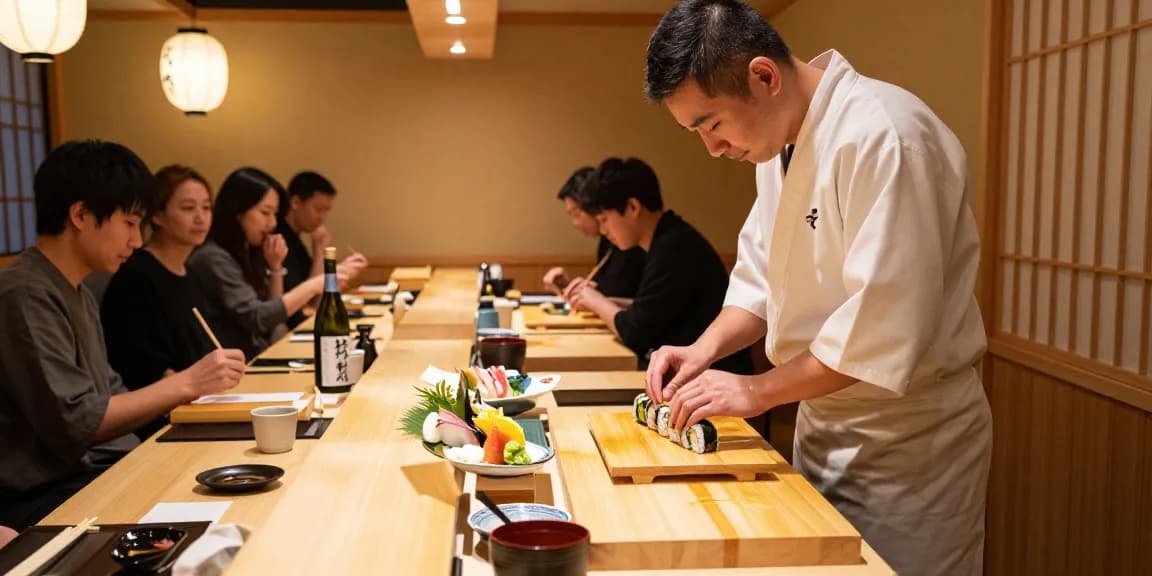
A great sushi meal goes beyond just the food; it also includes the atmosphere and presentation.
Decor and Presentation Techniques for Sushi
Presentation is key in sushi dining. Tips for enhancing the visual appeal include:
- Use vibrant colors and diverse shapes.
- Incorporate garnishes like microgreens or edible flowers.
- Serve with traditional Japanese dishware for authenticity.
How to Host a Sushi Night at Home
Hosting a sushi night can be fun and rewarding. Here’s how:
- Set up a sushi-making station with all ingredients ready.
- Provide various fillings and allow guests to create their unique rolls.
- Include drinks that pair well, such as sake or green tea.
Pairing Drinks with Sushi: What to Consider
When pairing drinks, consider the flavors of your sushi. Traditional pairings include:
- Sake: A natural companion to sushi, enhancing the overall experience.
- Japanese Beer: Crisp and refreshing, perfect for cutting through rich flavors.
- Green Tea: A calming choice that balances the palate.
Future of Sushi Trends in 2026
The sushi landscape is continually evolving. Looking ahead to 2026, several trends are set to shape the future of sushi.
Emerging Trends in Sustainable Sushi Practices
As sustainability becomes increasingly important, sushi practices are adapting by:
- Utilizing locally sourced seafood to reduce carbon footprints.
- Incorporating plant-based alternatives to cater to vegetarian and vegan diets.
Technology's Role in the Future of Sushi Preparation
Advancements in technology are enhancing sushi preparation. Innovations include:
- Smart sushi rice cookers that ensure perfect rice every time.
- Online platforms for sourcing and ordering high-quality ingredients.
Health Trends Influencing Sushi Consumption
Health consciousness is influencing sushi choices, with a rise in demand for:
- Low-carb sushi options using vegetables instead of rice.
- Health-focused fillings rich in nutrients, such as avocado and sprouted grains.
What are the Benefits of Sushi for Health?
Sushi offers numerous health benefits, including:
- High in Omega-3 fatty acids, promoting heart health.
- Low in calories, making it a great option for those looking to maintain a healthy weight.
How to Choose the Right Sushi for Your Dietary Needs?
When selecting sushi, consider your dietary restrictions:
- For gluten-free options, choose sashimi or rice-based rolls without soy sauce.
- Vegetarians can opt for rolls filled with vegetables, tofu, or tempura.