Understanding Bel Fıtığı Ameliyatı
Bel fıtığı ameliyatı is a critical surgical intervention aimed at addressing disc herniation issues in the lumbar region of the spine. Many individuals suffering from debilitating back pain and neurological symptoms often seek surgical options when conservative treatments fail. This article explores when surgery is warranted, the types of surgical procedures available, and what patients can expect during the recovery process. When considering a surgical approach, understanding the complexities of Bel fıtığı ameliyatı is essential.
What is Bel Fıtığı Ameliyatı?
Bel fıtığı ameliyatı refers to a range of surgical techniques used to relieve pain and restore function in patients with herniated discs. Herniation occurs when the soft, gel-like center of a disc bulges out through a tear in its tougher exterior, often pressing against nearby nerves. This condition can lead to severe pain, numbness, or weakness in the legs and lower back. Surgical options typically come into play when conservative treatments like physical therapy, medications, and injections do not provide sufficient relief.
Why is Surgery Necessary?
Surgery for bel fıtığı is essential in several scenarios, primarily when conservative measures have failed. If a patient experiences ongoing, severe pain, particularly nerve-related symptoms such as numbness or weakness, surgical intervention may be the most appropriate course of action. Additionally, conditions like the Cauda Equina syndrome—which can cause incontinence and severe neurological deficits—require immediate surgical attention to prevent permanent damage.
Common Symptoms Indicating Need for Surgery
- Persistent pain that radiates down the leg
- Loss of bladder or bowel control
- Progressive weakness in the legs
- Numbness or tingling sensations
- Inability to perform daily activities due to pain
Types of Bel Fıtığı Ameliyatı
Mikrocerrahi Techniques Explained
Mikrocerrahi, or microdiscectomy, is a minimally invasive approach to remove herniated disc material. This technique utilizes advanced imaging technologies to guide surgeons in removing only the damaged parts of the disc, preserving as much surrounding tissue as possible. As a result, recovery tends to be faster, with less postoperative pain compared to traditional methods.
Endoscopic Approaches
Endoscopic surgery involves the use of an endoscope to visualize the surgical area. This technique offers several advantages, including smaller incisions, reduced recovery times, and less postoperative pain. Endoscopic procedures are ideal for certain types of herniations and provide surgeons with a highly detailed view of the surgical field, which is crucial for preserving nerve tissues.
Comparing Traditional and Minimally Invasive Techniques
Traditional open surgery often requires a larger incision and more extensive manipulation of spinal muscles and tissues. While effective, this method can lead to longer recovery times and increased postoperative discomfort. In contrast, minimally invasive techniques like mikrocerrahi and endoscopic surgery focus on reducing tissue damage, which significantly enhances recovery outcomes.
Preparing for Surgery
Initial Consultations and Diagnostics
Before undergoing bel fıtığı ameliyatı, patients typically undergo a comprehensive evaluation, including physical examinations and imaging studies like MRI scans. These assessments help determine the severity of the condition and the most appropriate surgical approach. Discussing any medical history, current medications, and specific symptoms with the surgical team is also vital.
Pre-operative Guidelines for Patients
Patients are encouraged to follow several pre-operative guidelines to optimize their health before surgery. This may include adjusting medications, quitting smoking, and preparing for a period of recovery post-surgery. Understanding the procedure and what to expect can significantly reduce anxiety and improve outcomes.
Setting Expectations for Recovery
Recovery from bel fıtığı ameliyatı varies based on the surgical technique used and individual patient factors. Generally, most patients can expect to begin gentle movement and light activities within a few days post-surgery, with full recovery typically taking several weeks to months. Discussing specific recovery timelines with the surgical team is crucial for setting realistic expectations.
The Surgical Procedure
Step-by-Step Overview of the Surgery
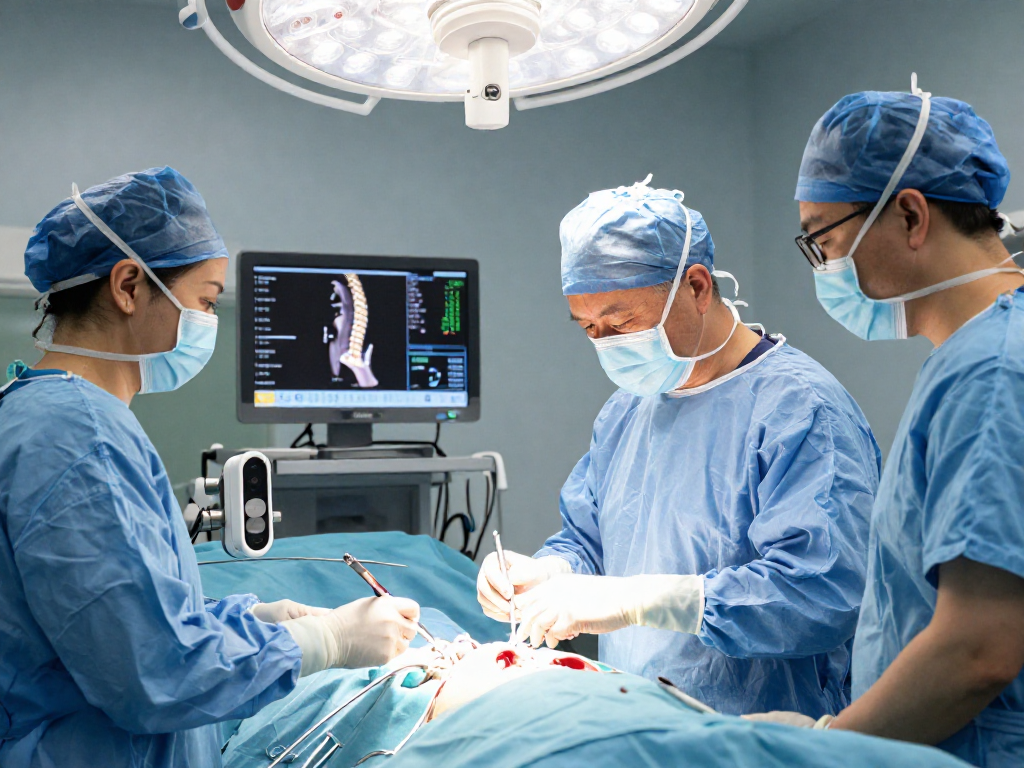
The surgical procedure begins with the administration of anesthesia. Once the patient is positioned, the surgeon makes a small incision to access the affected disc. Utilizing either microdiscectomy or endoscopic techniques, the surgeon removes the herniated portion of the disc and relieves nerve pressure. The operation usually lasts from one to two hours.
Technological Advancements in Surgical Tools
Modern surgical tools and techniques have significantly enhanced the safety and effectiveness of bel fıtığı ameliyatı. Innovations such as high-definition microscopes and specialized endoscopic instruments allow surgeons to perform complex procedures with precision while minimizing tissue damage.
What Happens During the Operation?
During the operation, the surgeon carefully navigates to the site of the herniated disc, using imaging technologies to guide their approach. Once the disc is accessed, the protruding material is excised, relieving the pressure on spinal nerves. The operation concludes with the closure of the incision, often requiring only a few stitches.
Post-operative Care and Recovery
Managing Pain and Discomfort After Bel Fıtığı Ameliyatı
Post-operative pain management is crucial for recovery. Patients typically receive a pain management plan that may include medications and physical therapy to alleviate discomfort and promote healing. It is essential to monitor any unusual symptoms and report them to the healthcare team immediately.
Physical Therapy and Rehabilitation Strategies
Engaging in physical therapy is vital for optimal recovery after bel fıtığı ameliyatı. A structured rehabilitation program designed by a physical therapist can help restore strength, flexibility, and function. Patients should adhere to their therapy schedules and follow the recommended exercises to accelerate healing.
When to Seek Further Medical Attention
Patients should be vigilant for any signs of complications after surgery, such as increased pain, swelling, or signs of infection (redness, fever, or discharge). Immediate medical attention is essential if unusual symptoms arise to ensure prompt treatment and recovery.
How Long Does Full Recovery Take?
The timeline for full recovery can vary widely but typically ranges from several weeks to months. Factors influencing recovery include the type of surgery performed, the individual’s overall health, and adherence to post-operative care recommendations. Patients should maintain open communication with their healthcare team regarding any concerns during their recovery.
What are the Risks and Complications?
As with any surgical procedure, bel fıtığı ameliyatı carries potential risks and complications, including bleeding, infection, nerve damage, and the possibility of recurrent herniation. For more information, Bel fıtığı ameliyatı offers valuable insights. Understanding these risks can help patients make informed decisions and prepare for potential outcomes.